- Zuba Fear
- Posts
- Sam Raimi's Send Help: A Twisted Revenge Comedy That Skewers the Male Ego
Sam Raimi's Send Help: A Twisted Revenge Comedy That Skewers the Male Ego
A Revenge Thriller That Turns Corporate Masculinity Inside Out

After 25 years away from R-rated filmmaking, Sam Raimi returns with Send Help, a gleeful workplace revenge thriller disguised as a desert island survival story. While marketed as the Evil Dead director's comeback to horror, the film functions primarily as a sharp skewering of male ego and a complex examination of female agency, with Raimi's signature visual flourishes sometimes feeling imposed on material that doesn't require them.

Office Politics Meet Survival Drama
Rachel McAdams stars as Linda Liddle, a dowdily dressed, socially awkward employee who has delivered exceptional work for seven years at a consulting firm while awaiting her promised VP promotion. When the company's handsome new CEO Bradley Preston (Dylan O'Brien) takes over following his father's death, he takes instant dislike to Linda's awkward nature and "noxious" tuna sandwiches, promoting his fraternity buddy Donovan instead.

Rachel McAdams and Dylan O'Brien
Written by Damian Shannon and Mark Swift—their best screenplay unless you're championing 2003's Freddy vs. Jason—the film quickly establishes the male-dominated C-suite with broad but accurate strokes. When Linda confronts Bradley about being passed over, he agrees to take her via private jet to an important Bangkok meeting, secretly planning to transfer her afterward. This setup efficiently captures tired, sexist office dynamics that Raimi prepares to eviscerate.
Power Dynamics Shift on the Island
Everything changes when their jet crashes into the ocean in a terrifying descent during which a male character literally demands Linda give him her seat as he's ejected from the plane. Sole survivors Linda and Bradley wash up on a deserted island (shot primarily on Thailand's Ko Hong Island), where the injured executive assumes office hierarchy still applies.
But Linda has trained for this moment through years of watching Survivor and reading survival novels. As she collects rainwater, builds fires, and establishes dominance, she flowers as a human being. Raimi cleverly positions the island as a world Linda can control—and unlike Bradley, she cares for her injured boss without humiliating him. Her arc bends in surprising ways that implicate her behavior, preventing the film from becoming a one-note patriarchy takedown.

Where the Film Thrives
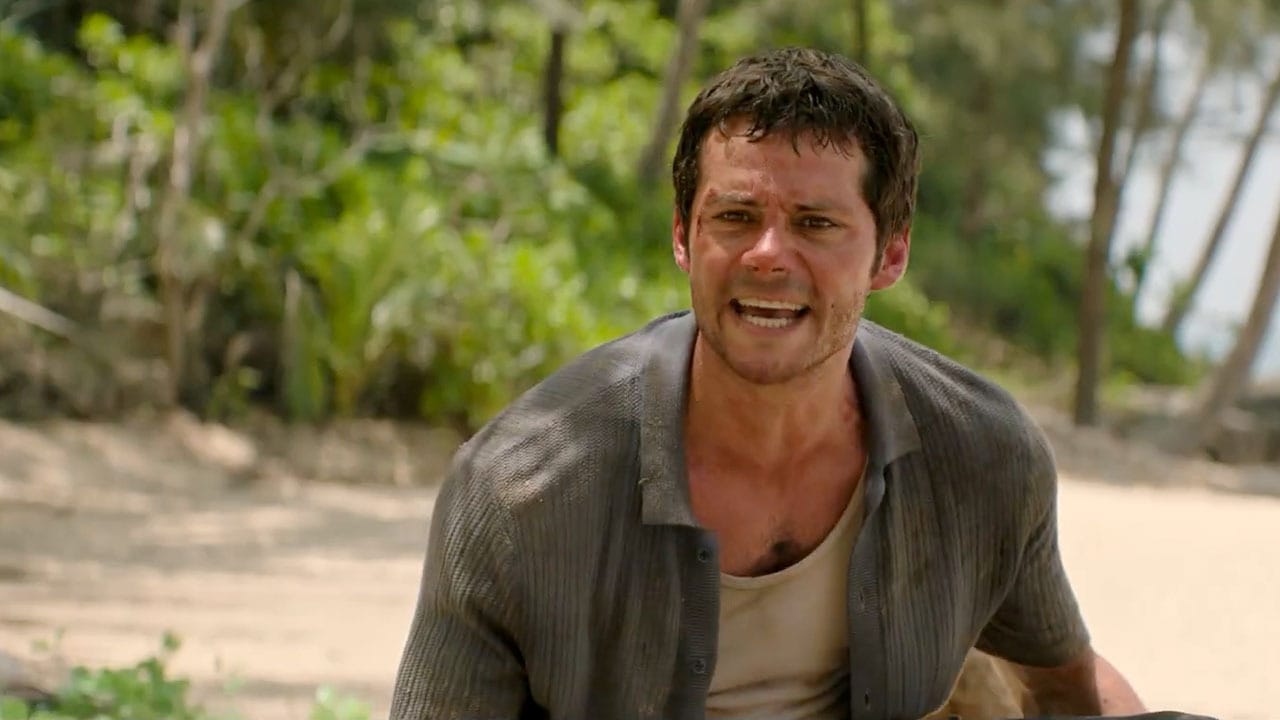
The jockeying for leverage between Linda and Bradley provides Send Help's most engaging moments. Linda crafts wooden cups with her name carved on them and eats like a tropical princess, completely comfortable in her new environment. Bradley, hobbled by injury and bruised ego, vacillates between total emasculation and grudging appreciation of Linda's skills.
McAdams delivers a beautifully modulated performance, quickly establishing Linda as both exaggerated and totally recognizable. Costume designer Anna Cahill assists in framing her transformation, while O'Brien sells Bradley's comical anguish like a good sport. Raimi and editor Bob Murawski extract laughs by holding close-ups for uncomfortable lengths, accentuating Bradley's suffering. Men bear the brunt of comic brutality here, with Raimi practically having viewers cheer when conniving Donovan meets his hilarious demise.
Raimi's Style: Asset or Imposition?
The film's clever power dynamics and shifting allegiances create such an enjoyable mind game that Raimi's visual tricks—including a corpse jump scare—sometimes feel unnecessary. Director of photography Bill Pope generally keeps things sun-drenched and character-focused, which makes Raimi's recognizable moves stick out. However, his love of flying blood and viscera gets indulged when Linda kills a wild boar and later vomits voluminously on Bradley's face.
Shannon and Swift take gutsy swings with Linda's character, especially late in the film, and McAdams always tethers them to psychological truth. Story beats that initially feel forced—like Bradley's escape attempt on a makeshift raft—pay off comically down the line.
Minor Disappointments
What may disappoint some fans is that Send Help never builds to the explosive Grand Guignol climax anticipated from Raimi now that he's free from corporate intellectual property constraints. The horror-comedy mashup feels slightly modest, perhaps because his violent, bloody anarchy has dulled after directing only one horror film in seventeen years—2009's Drag Me to Hell.
The middle section lags, and the film doesn't quite reach the nutso-bonkers heights Raimi fans might hope for. Yet it satisfies as a delicious two-hander that keeps viewers guessing about who deserves support, with power dynamics shifting so subtly that allegiances remain wonderfully uncertain.

The Verdict
Send Help represents more than just Raimi's return to R-rated filmmaking—it's a twisted examination of workplace hierarchies, gender dynamics, and what happens when the rules society imposes get stripped away on a deserted island. While it may not fully satisfy fans craving pure Raimi mayhem, it delivers a smart, darkly comic revenge tale anchored by excellent performances. McAdams and O'Brien elevate material that could have been one-dimensional into something more psychologically complex and delightfully disarming.
For audiences seeking intelligent horror-comedy that challenges expectations while delivering genuine thrills and laughs, Send Help proves that even after 25 years, Raimi still knows how to make us squirm while rooting for bloodshed.