- Zuba Fear
- Posts
- Stephen King's Seal of Approval: Why The Black Phone is "Stand By Me in Hell"
Stephen King's Seal of Approval: Why The Black Phone is "Stand By Me in Hell"
When Childhood Innocence Meets True Horror
Stephen King doesn't hold back when it comes to horror. His novels inflict terror on characters young and old, exploring the darkest corners of human experience without flinching. From the child-targeting horrors of IT to the coming-of-age nightmares throughout his extensive catalog, King understands that growing up often involves confronting death, loss, and trauma.
So when director Scott Derrickson's The Black Phone earned King's enthusiastic approval, it meant something. The acclaimed horror film starring Ethan Hawke as a child-abducting, mask-wearing creep known as The Grabber impressed the master of horror so much that he gave it his highest praise—and made a fascinating comparison to one of his own works.

Stephen King
A Father-Son Horror Legacy
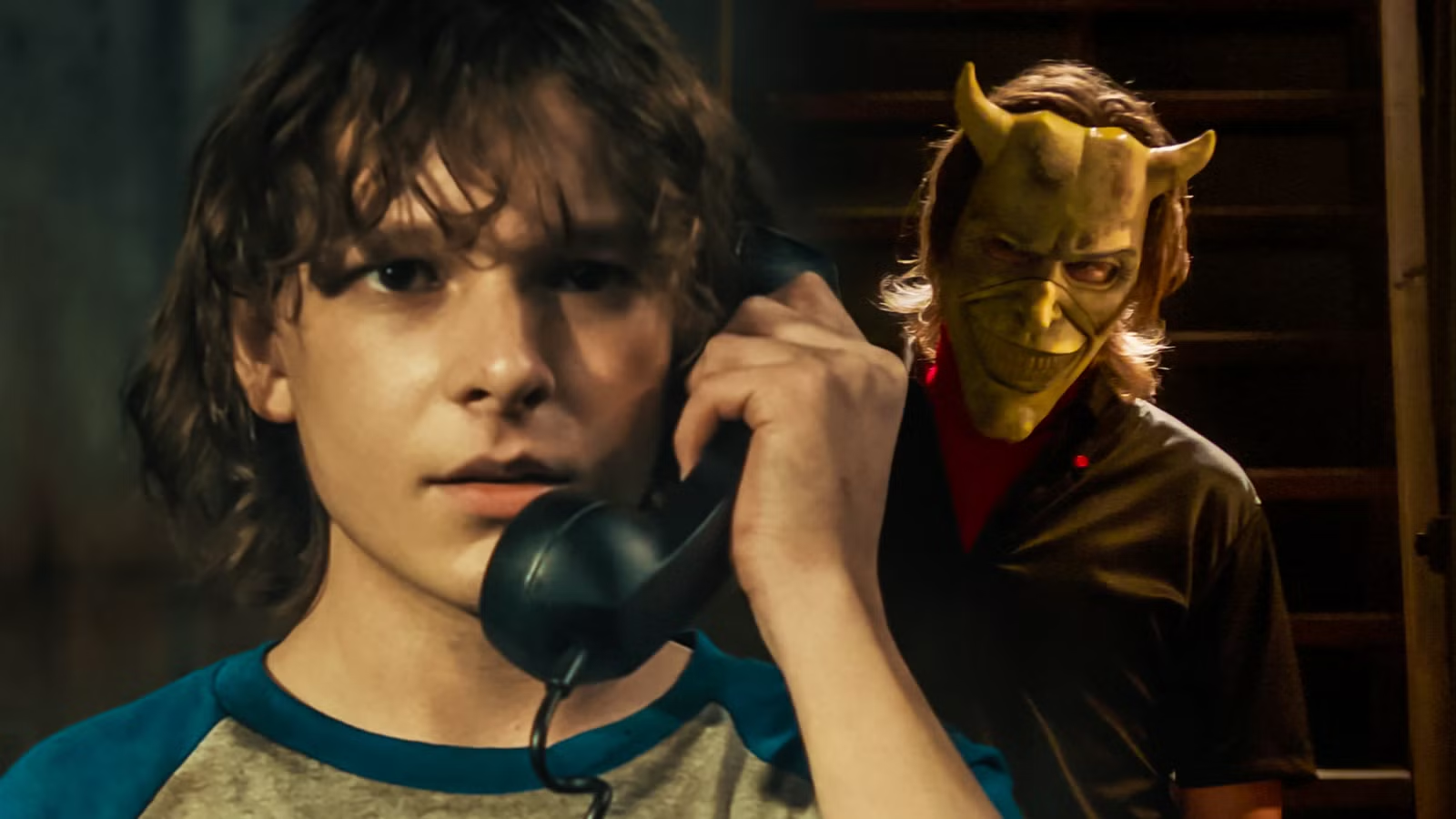
The Black Phone is based on the short story by Joe Hill, Stephen King's son and an acclaimed horror author in his own right. The adaptation follows 13-year-old Finney (Mason Thames), who's kidnapped by The Grabber and locked in a basement. During captivity, Finney discovers a disconnected phone that allows him to communicate with the ghosts of the killer's previous child victims.

Mason Thames as Finney
When Hill showed the finished film to his father, King's response was immediate and enthusiastic. As Derrickson told /Film:
"Stephen King's comment... He saw it and apparently loved it. And his comment to Joe was, 'It's 'Stand by Me' in hell,' which I thought was great."
That description is both perfect and revealing. Getting King's seal of approval is a badge of honor for any project, but this particular comparison shows how deeply the horror master understood what Derrickson accomplished.
The Stand By Me Connection
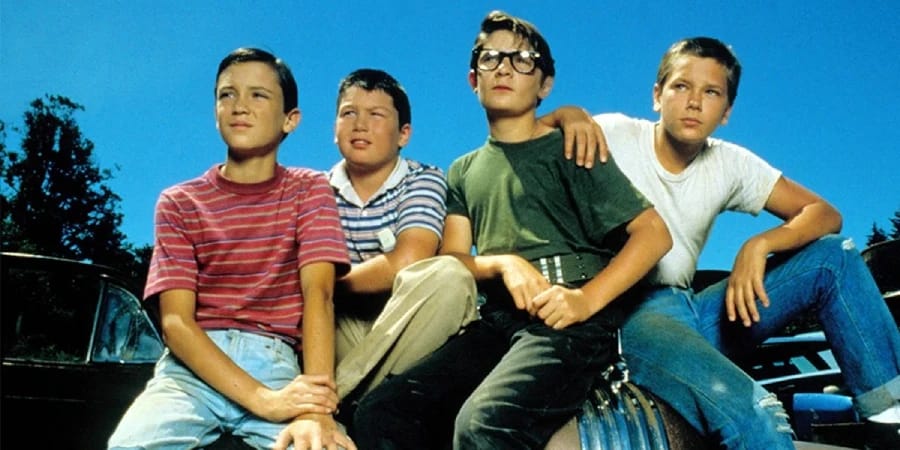
Stand by Me, directed by Rob Reiner, is based on King's novella "The Body" and is generally regarded as one of the all-time best Stephen King adaptations. The 1986 film follows a group of young friends who set out to find a dead body on the outskirts of their hometown.
Don't let the premise fool you into expecting a feel-good coming-of-age caper. Stand by Me forces its young characters to confront their turbulent home lives, prejudice, loss, and the harsh realities of growing up. It's a powerful film about the end of childhood innocence, wrapped in the framework of an adventure story.
While Stand by Me isn't horror in the traditional sense, it deals with themes that would be at home in any King horror novel: death, abuse, trauma, and the ways childhood experiences shape us forever.
Two Sides of the Same Coin
The comparison between Stand by Me and The Black Phone makes perfect sense once you examine what they have in common. Both films deal with the loss of innocence. Both involve young characters subjected to abuse, psychological torture, and unpleasant realities we don't associate with happy childhoods. Both force children to confront death directly rather than as an abstract concept.
The crucial difference—and why King specified "in hell"—is that The Black Phone adds a genuinely horrific element. Instead of searching for a body that represents their mortality, Finney is trapped by a serial killer who wears a devilish mask and keeps victims locked in a dark, underground room. He's not observing death from a safe distance; he's fighting to avoid becoming its next victim.
Where Stand by Me approaches childhood trauma and loss through naturalistic drama, The Black Phone amplifies those themes through supernatural horror. The disconnected phone becomes a lifeline to the dead, allowing previous victims to help Finney survive where they couldn't. It's a more literal hell than the emotional hell the boys in Stand by Me navigate.
Ethan Hawke's Terrifying Performance
Part of what makes The Black Phone work so effectively is Ethan Hawke's committed performance as The Grabber. Hawke, known for more dramatic and romantic roles throughout his career, embraces the darkness completely. Behind various grotesque masks, he creates a villain who's simultaneously pathetic and terrifying—a damaged man whose childhood traumas have transformed him into a monster.
The masks themselves become crucial to the performance, allowing Hawke to shift between different personas and moods. Sometimes The Grabber seems almost playful, other times coldly menacing. This unpredictability makes him all the more frightening, especially to a child victim trying desperately to understand his captor's patterns and survive.
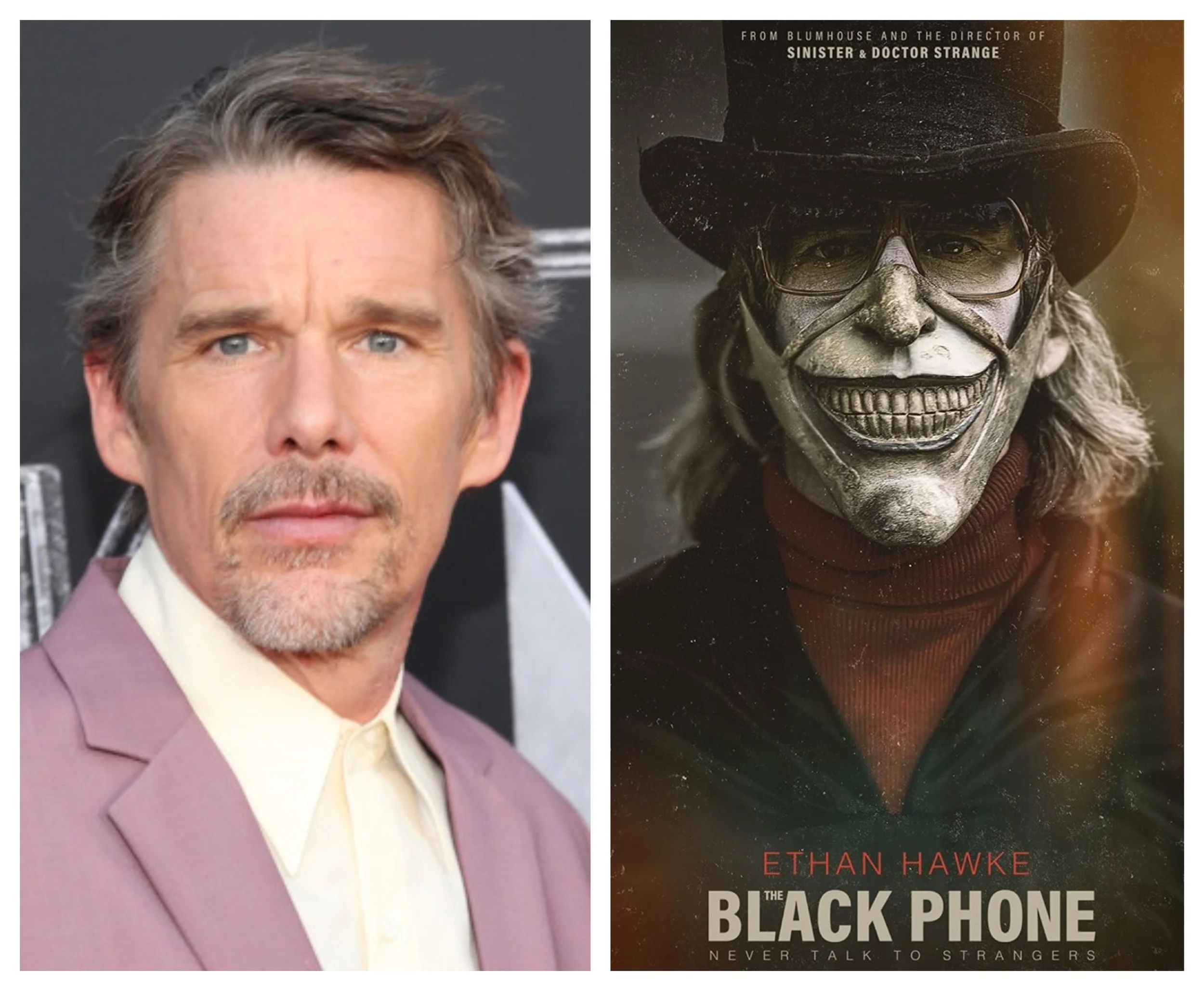
Ethan Hawke as The Grabber
Why These Films Belong Together
Both Stand by Me and The Black Phone are currently streaming on Netflix, making them perfect for a thematically linked double feature—if you're prepared for a miserable, albeit excellent, time.
Watching them back-to-back reveals how different genres can explore similar themes. Stand by Me proves you don't need supernatural horror to create a story about childhood trauma and the death of innocence. The Black Phone demonstrates how adding horror elements can literalize those metaphors and create something equally powerful.
Together, they represent two approaches to telling stories about children forced to grow up too fast by confronting mortality. One does it through drama and naturalism. The other through supernatural horror and serial killer suspense. Both are effective. Both are memorable. Both will leave you thinking about the ways childhood experiences shape who we become.
The King Seal of Approval
When Stephen King loves something, horror fans pay attention. The man has spent decades defining what horror can be, exploring how the genre can tackle serious themes while still delivering scares. His books have been adapted countless times with varying degrees of success, so he knows better than anyone what makes an effective horror story.
For King to not only love The Black Phone but to compare it specifically to Stand by Me—one of the most beloved adaptations of his work—speaks volumes. He recognized that his son and Derrickson created something special: a horror film that takes the themes he explored in "The Body" and pushes them into genuinely nightmarish territory.
Stream Both While You Can
If you're in the mood for films that examine childhood trauma, the loss of innocence, and young people forced to confront death, you could do worse than this double feature. Stand by Me will break your heart with its naturalistic portrayal of kids dealing with adult problems. The Black Phone will terrify you with its supernatural horror take on similar themes.
Just don't expect a cheerful evening. King wasn't kidding when he called The Black Phone "Stand by Me in hell." Both films earn that darkness, using it to tell powerful stories about growing up, survival, and the ways we're shaped by our worst experiences.
Sometimes the best horror isn't about monsters or ghosts—it's about the loss of innocence and the moment childhood ends. Whether that ending comes from finding a body in the woods or being trapped in a killer's basement, the result is the same: you can never go back to who you were before.
And that, Stephen King understands better than anyone.