- Zuba Fear
- Posts
- The Renaissance of Modern Horror: Beyond Cheap Thrills
The Renaissance of Modern Horror: Beyond Cheap Thrills
Horror’s Evolution into Art
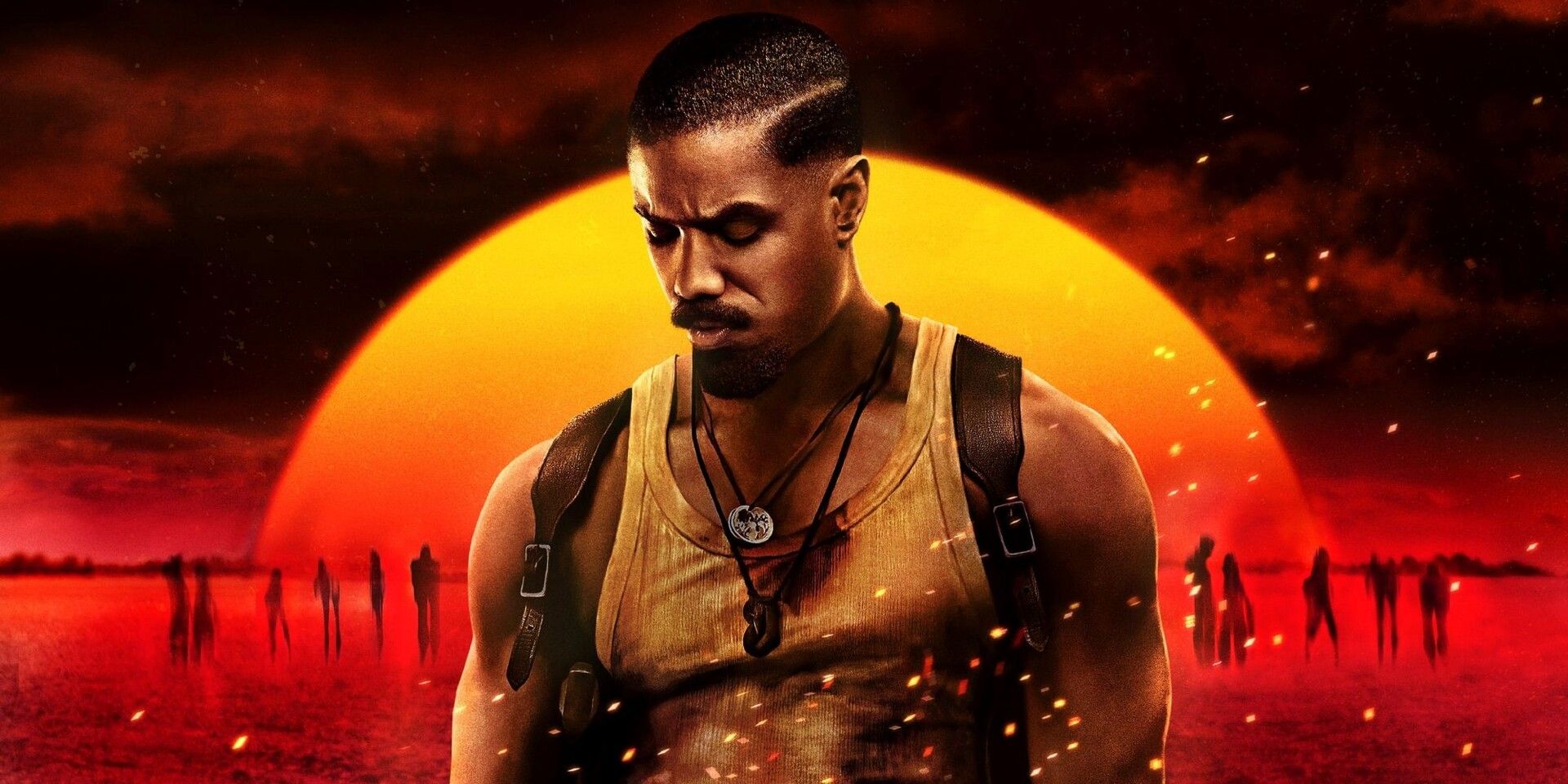
For a long time, horror was seen as just cheap thrills—something for jump scares and popcorn flicks, not taken too seriously by critics. But that perception has shifted dramatically. Today, horror is delivering some of the most profound and thought-provoking films in cinema.
To explore this shift, we looked at Collider’s article, “The 10 Greatest Horror Masterpieces of the Last 10 Years, Ranked.” It’s more than just a list; it’s a window into how the genre has evolved and redefined itself.
Our goal is to get past the scares and understand why these films are called masterpieces—what makes them special, and what they tell us about society and our current fears.
A New Era for Horror
The article frames this as a renaissance for horror, suggesting we’ve moved past the “confused naughties” era of the 2000s, which felt directionless with lots of found footage and less substance. Production companies like A24 have played a big role in this shift, bringing a distinct style and pushing horror from niche to major awards contender.
What Makes Modern Horror Great?
Modern horror isn’t just about making you jump. The best films now deliver thought-provoking, socially charged concepts—tackling social issues, reflecting society’s anxieties, and pushing artistic limits. This depth is what qualifies a horror film as a masterpiece today.
Standout Films of the Horror Renaissance
Get Out (2017): The number one film on the list, “Get Out,” isn’t scary in the traditional sense. Its horror lies beneath the surface, using satire to explore systemic racism and social unease. It proved that psychological dread and social commentary can be more lasting and critically acclaimed than creature features.
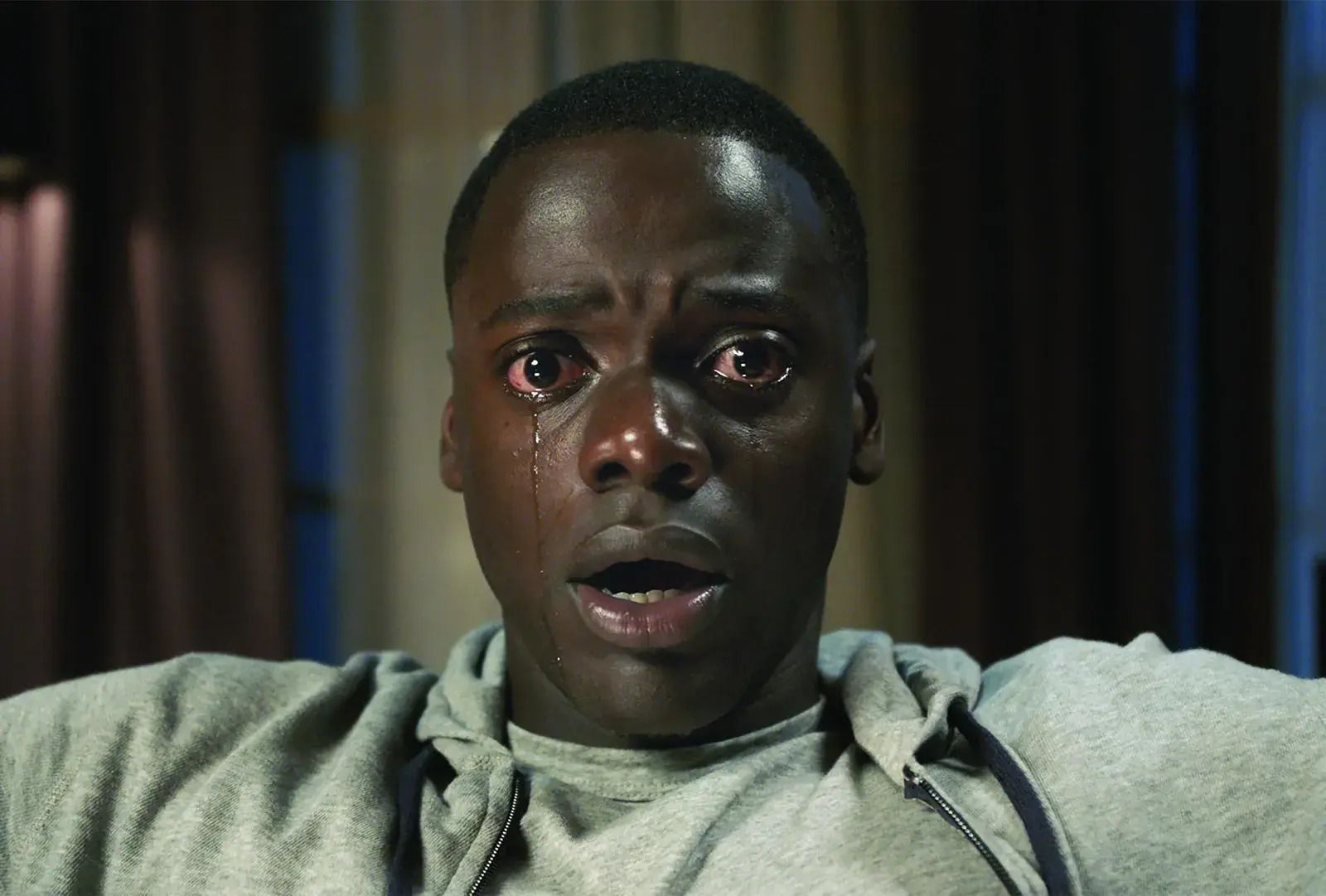
'Get Out' (2017)
Midsommar (2019): Ari Aster’s “Midsommar” is a modern folklore horror, using ancient traditions and isolated communities to tap into primal fears. Its unnerving beauty and slow-burn psychological dread set it apart.
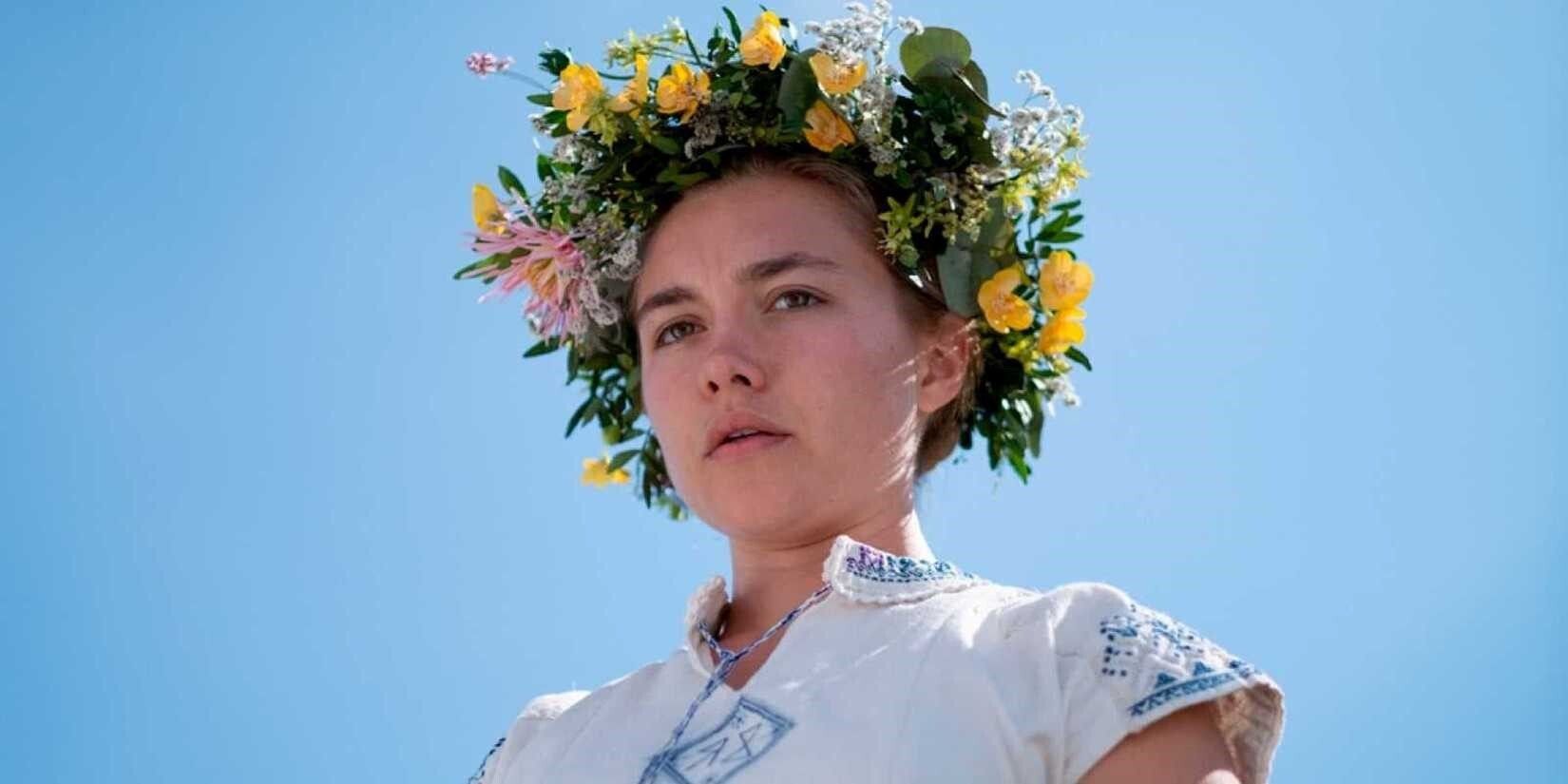
'Midsommar' (2019)
The Witch (2015): Robert Eggers’s debut creates intense atmospheric horror through setting and mood, building slow, suffocating terror out of isolation and paranoia.
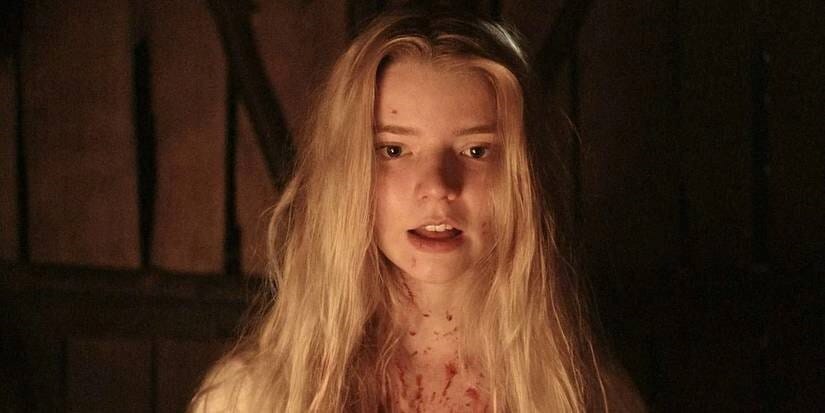
'The Witch' (2015)
Train to Busan (2016): This film revitalized the zombie genre with high-speed, intense action, turning a train into a pressure cooker of tension.
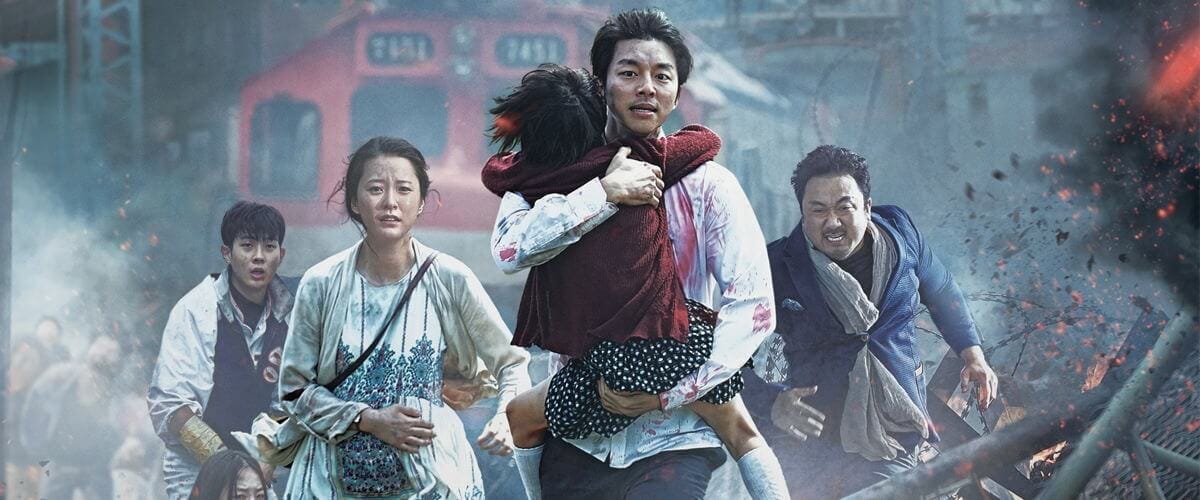
'Train to Busan' (2016)
His House (2020): A haunted house story that’s really about the trauma and guilt of displacement, using horror to explore the refugee experience.
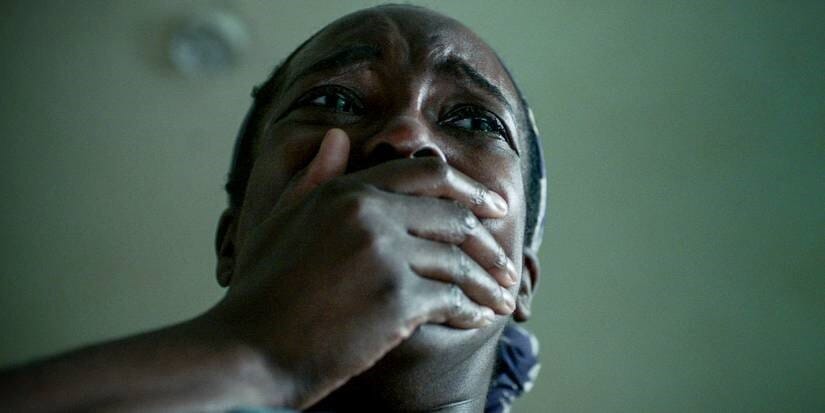
'His House' (2020)
The Wailing (2016): A South Korean exorcism film that gained new relevance after the 2020 pandemic, exploring themes of sickness, paranoia, and community.
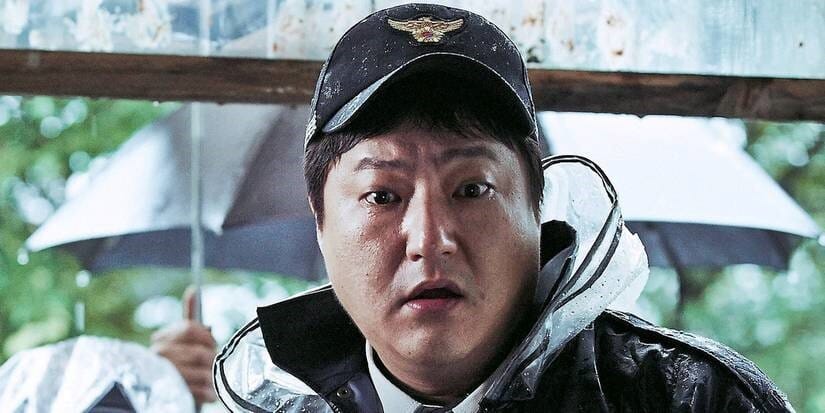
'The Wailing' (2016)
The Substance (2024): A body horror film starring Demi Moore, praised for its unapologetic message about female self-loathing and society’s pressures on women.
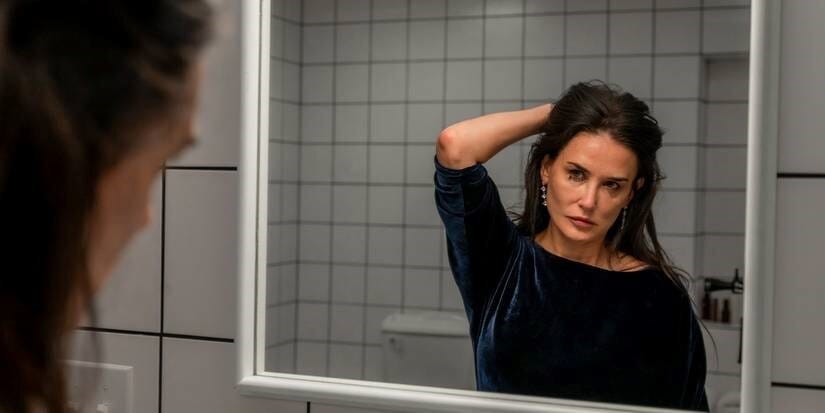
'The Substance' (2024)
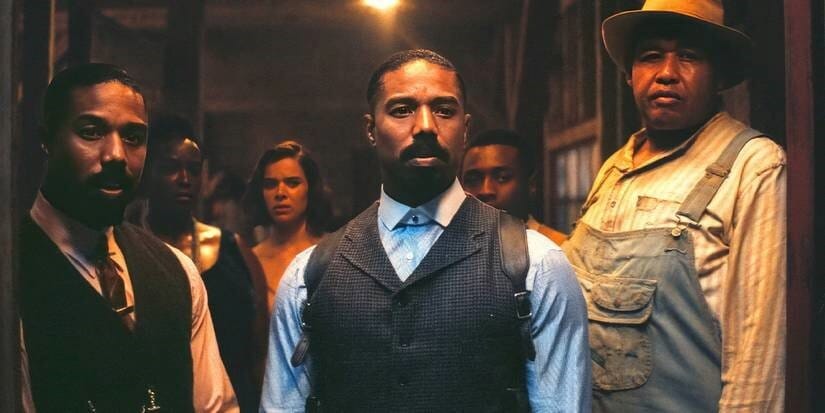
Sinners (2025): Directed by Ryan Coogler, this genre-blending film combines folk horror with musical drama, sparking both critical acclaim and audience debate.
'Sinners' (2025)
The Subjectivity of Masterpieces
Not all acclaimed films land the same way with audiences. “Sinners,” for example, received both high praise and confusion—some viewers were put off by its bold genre blending. This highlights how subjective art is; what critics hail as innovative might leave some audiences scratching their heads.
What Does This Mean for Horror Fans?
Even films that get top marks from critics can stir up conversation and debate. What one person sees as genius, another might not get—or even dislike. That’s part of the cinematic conversation and what keeps art interesting.
Conclusion: Horror as a Lens on Society
Modern horror has changed massively. It’s still visceral, but now it’s also deeply thought-provoking and relevant. From sharp social critique in “Get Out” to the unsettling folk horror of “Midsommar,” and genre-blending experiments like “Sinners,” these films prove horror’s immense artistic value.
Ultimately, horror is a uniquely powerful way to look at our world—a lens on our deepest anxieties and societal fears. The best horror films make us think, question, and feel something long after the credits roll.
Final thought: If horror’s real power now lies in being socially charged and making us think, what current anxieties or issues will the next great horror masterpiece tackle? What unsettling truth is lurking just beneath the surface, waiting for the right filmmaker to expose it?
We’ll just have to wait and see what frightful ideas emerge next.
Listen to the full podcast episode here!