- Zuba Fear
- Posts
- Unwrapping the Suspense: A Deep Dive into 'Don't Breathe'
Unwrapping the Suspense: A Deep Dive into 'Don't Breathe'
Horror Reimagined Through Space, Sound, and Stillness
Introduction
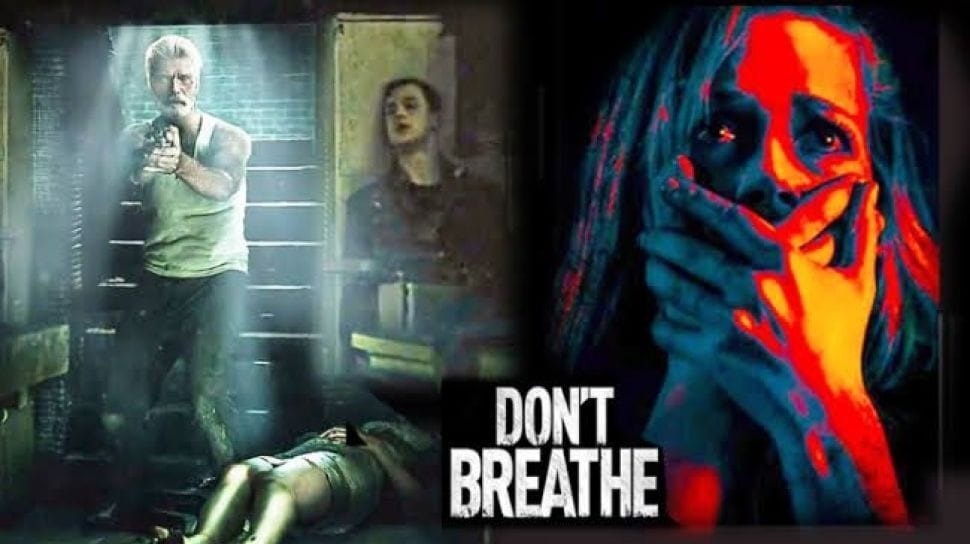
Welcome to our exploration of a modern horror classic that redefined the blueprint for suspense in recent times. We're dissecting the 2016 film “Don't Breathe”, a movie that didn't just make waves but established itself as a technical masterclass. Critics have hailed it as a definitive horror experience, and today, we delve into why this is so.
The Evolution of Horror Films
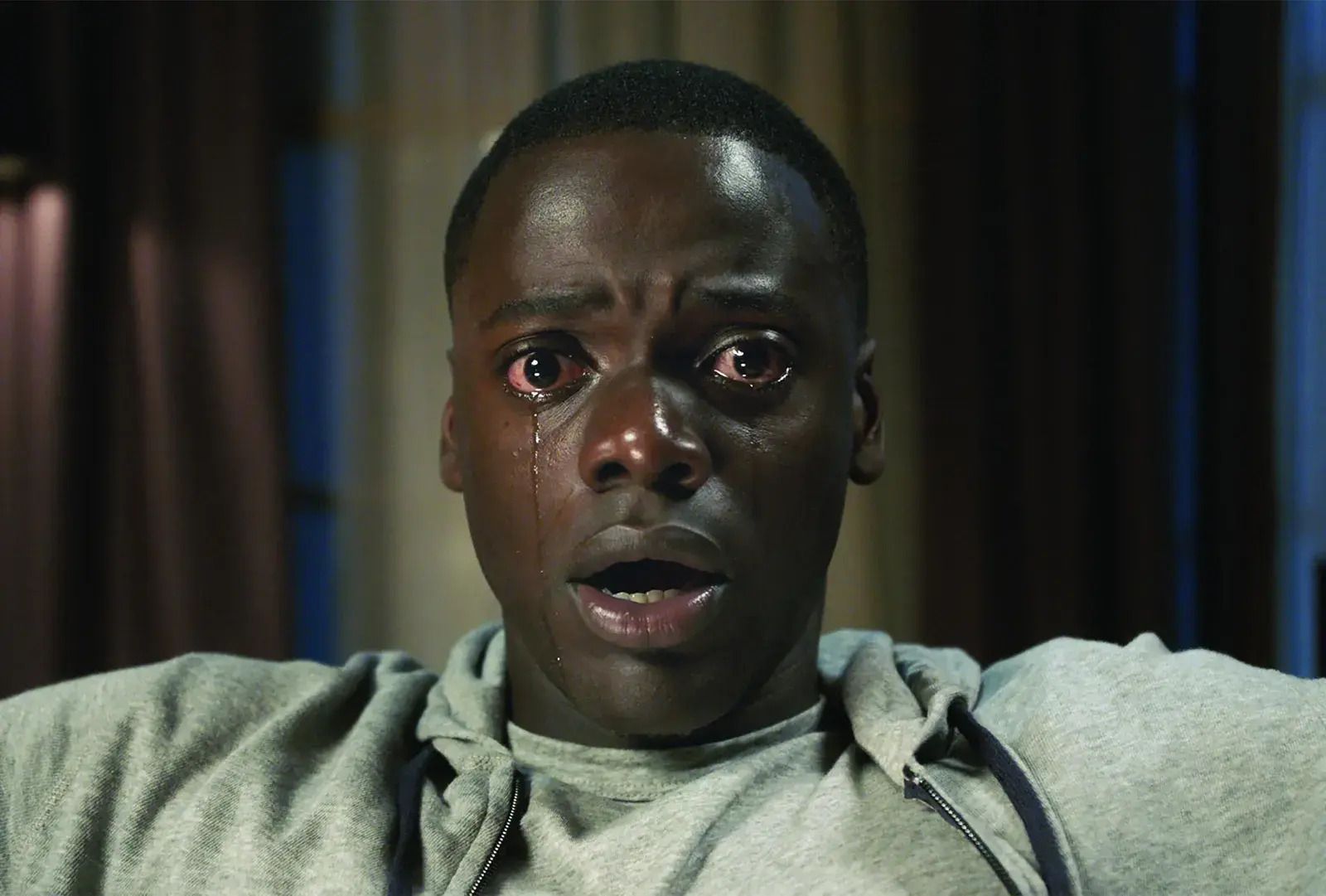
To appreciate “Don't Breathe”, it’s essential to consider the state of horror cinema in the 2000s, which was dominated by what we might call torture-focused horror. Blockbusters like “Saw” and “Hostel” focused heavily on explicit gore and suffering, a spectacle that began to tire audiences by the dawn of the 2010s. This shift paved the way for the 'elevated horror' movement, with films such as “Get Out” and “Hereditary” that rely on psychological dread and social themes for their scares.
Standing Out Amongst New Horror Classics
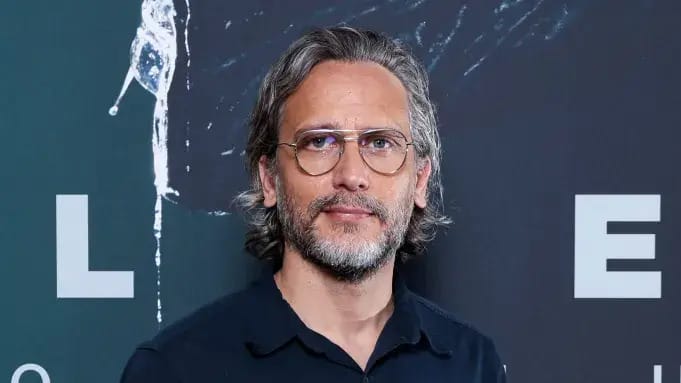
“Don't Breathe” stands out because it strategically navigates between past and emerging horror trends. It channels the visceral intensity of earlier films but with an intellectual precision in its technique. Director Fede Álvarez crafted a sleeper hit using a simple setup that delivered brutal effectiveness.
A Unique Narrative Approach
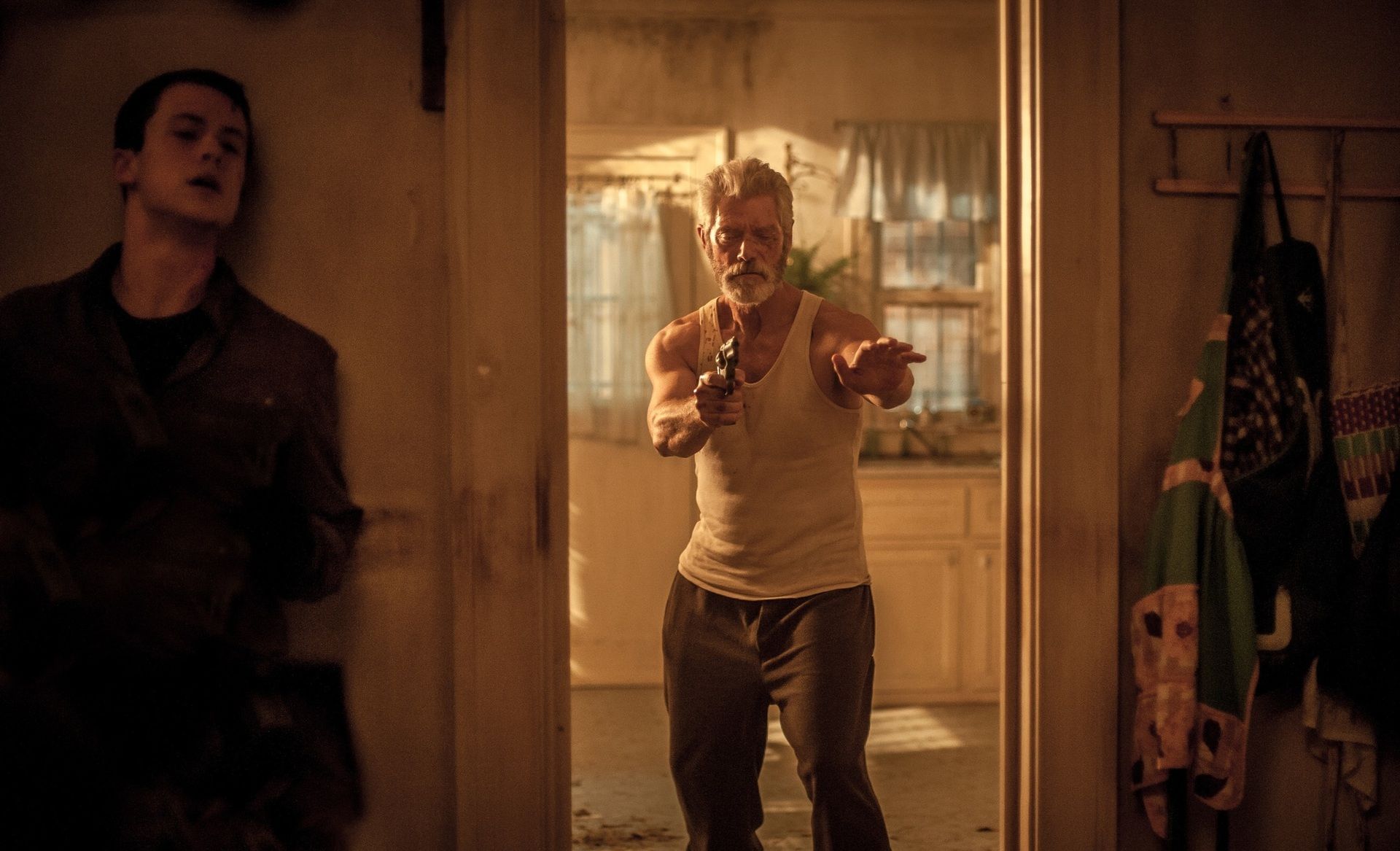
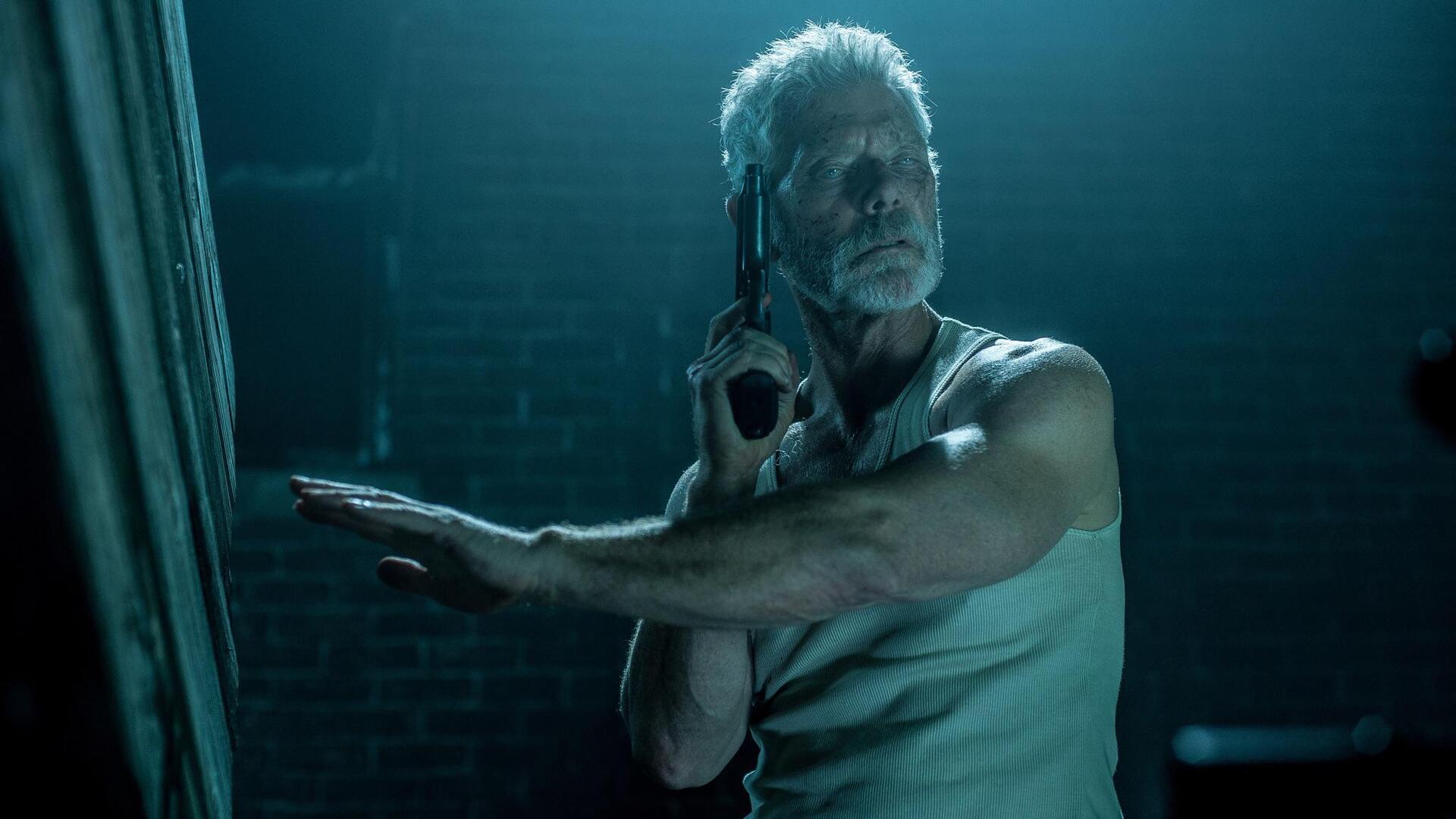
The film revolves around a group of young thieves targeting the secluded home of Norman Nordstrom, a blind Gulf War veteran. The initial perception of an easy target is swiftly inverted, revealing the blind man as the true apex predator. This narrative flip is what propels the viewer into a different kind of horror experience.
Masterful Technical Craftsmanship
The genius of the film lies in its claustrophobia and strict adherence to spatial rules, which are immediately established through Álvarez’s use of long, unbroken takes. This immersive approach traps the audience in real-time alongside the characters. Furthermore, the intricate sound design plays a pivotal role in weaponizing silence, ushering the viewer into a state of hyper-awareness where every sound is a potential threat.
Steven Lang’s Captivating Performance
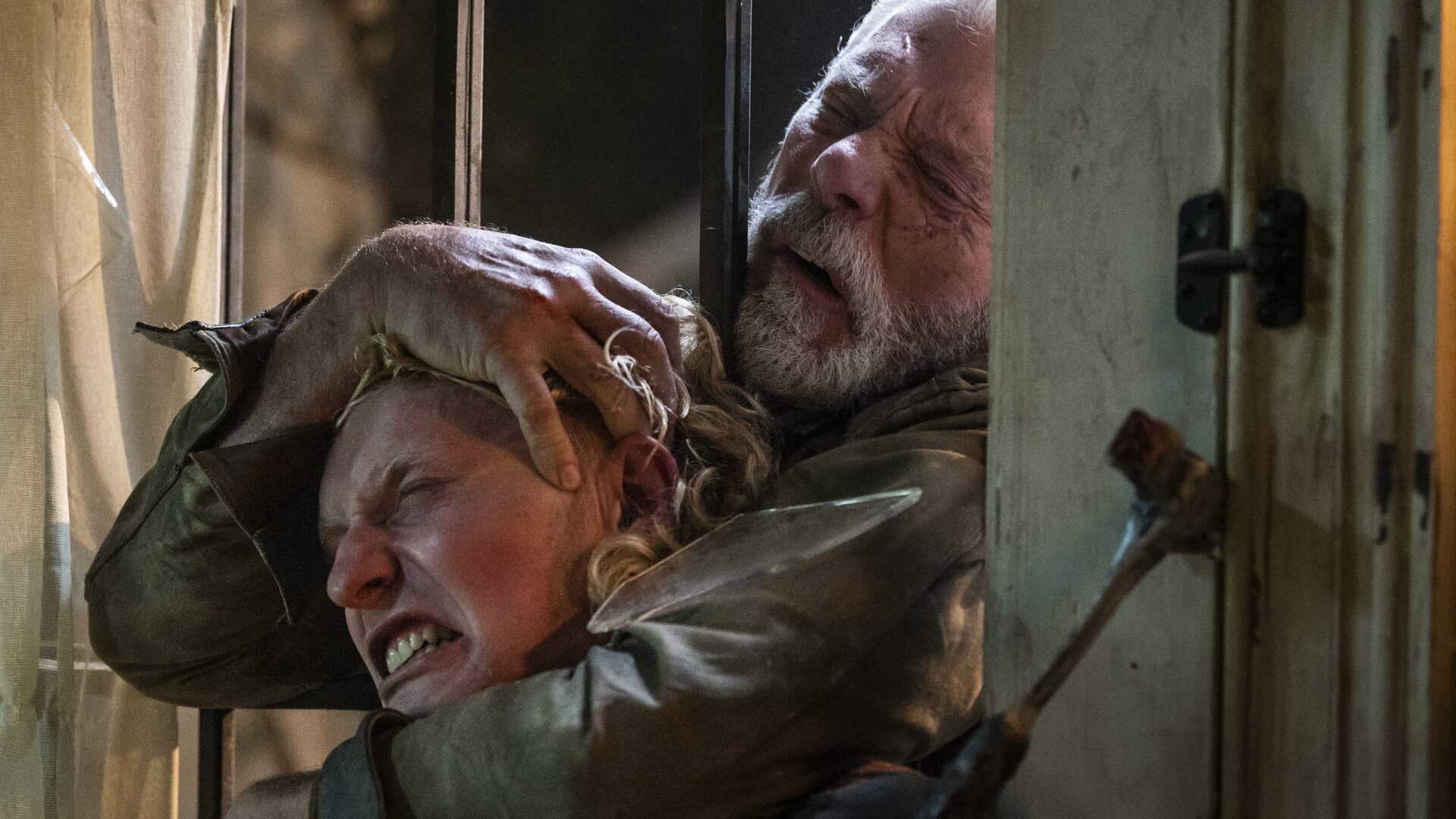
At the core, Steven Lang’s portrayal of the blind man is captivating, relying heavily on physical acting to convey a blend of vulnerability and strength. Initially depicted as a victim to gain audience sympathy, the film slowly reveals his darker nature, shifting the narrative into moral ambiguity and redefining the horror from a mere escape to a fight for survival against a profoundly dark adversary.
A Misdirected Sequel
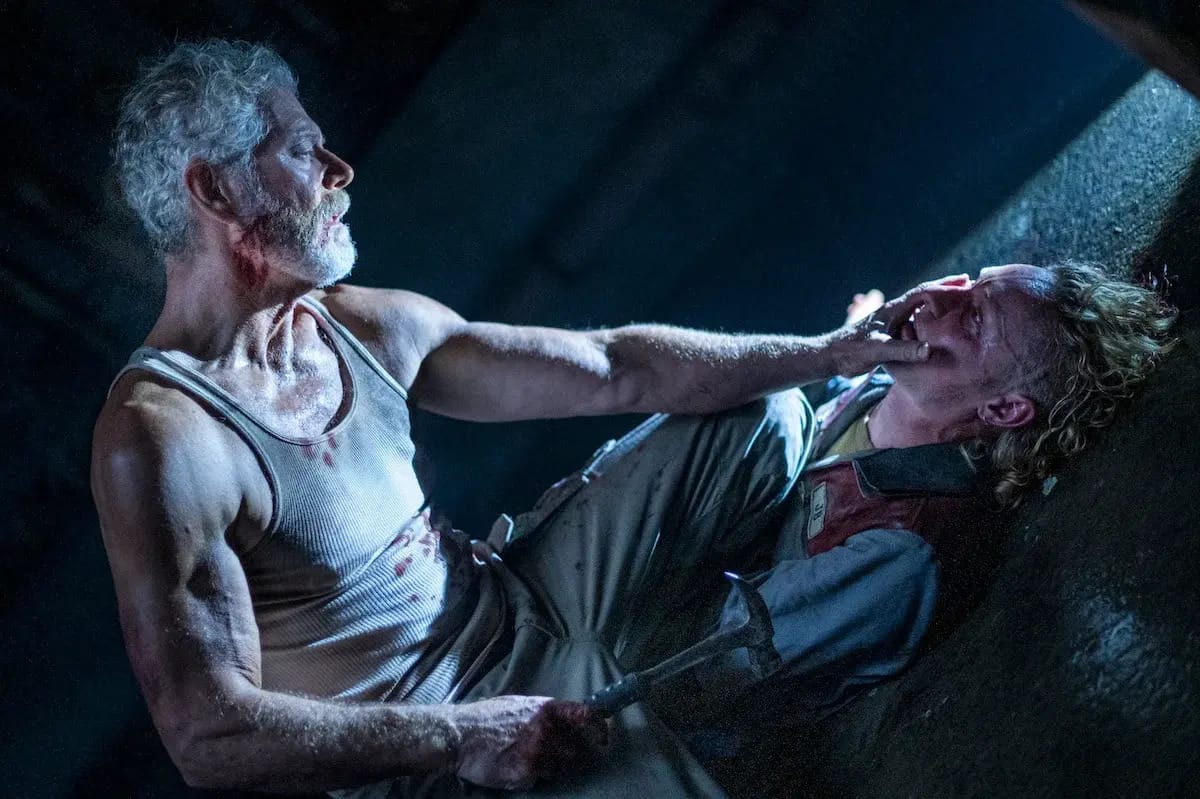
In contrast, the sequel, “Don't Breathe 2”, serves as a prime example of how to misjudge the original's strengths. By expanding the action beyond the confines of the house, it lost the suffocating tension that defined the first. Furthermore, attempting to turn the blind man into an anti-hero diluted the horror, highlighting a misunderstanding of the motivations that drew audiences to the character initially.
Conclusion
“Don't Breathe” remains popular on streaming platforms, such as Hulu, where its sequel is also available, showcasing its lasting power. Its success underscores the audience's craving for tightly crafted thrillers, leveraging limitations rather than attempting expansion. As you ponder the mastery of this film, ask yourself the next time silence engulfs a scene: Is it a moment of rest, or is silence the most terrifying sound of all?
Listen to the full podcast episode here!